SlideMagic Blog

Frequent updates about all things presentations since 2008. Subscribe to never miss a post.

RSS
all posts

Category Story

·Story

The quick start guide

Most appliances come with a “quick start guide” in addition to a detailed manual. A good quick start guide:

  • Is not a dumbed down version of the manual
  • Has an order that is natural to the new user, tackling issues as they come up
  • Has a clear objective to get people going

The manual is the exhaustive reference guide written by the product engineer, the quick start guide is the pitch to the user. Think of your presentation as the quick start guide of that huge strategy document that is open in your presentation software.

·Story

The safety instructions (that no one reads)

Safety instructions, terms of use, privacy statements, safe harbor statements, nobody reads them. Lawyers have diluted them so much that it takes a long time to reverse engineer the original message. In addition, most people more or less know (or assume they know) what is written in them.

The same is true for mission statements and other corporate “standard “ texts. They all sort of say the same, many of them are not credible, and in most cases do not add anything to the story of a presentation. The audience switches off until something more interesting pops up.

In the worst case, you might have lost your audience all together. “Ah, it’s going to be one of these decks”

·Delivery

The excitement indicator

You probably have a generic pitch deck that you have been using over and over again. You eyeball the slides before emailing to yet another potential client or investor. If you have given this presentation a thousand times, it is worth to have a look at each slide and ask yourself the question, are you excited to present it, do you want to surprise the audience with this unexpected insight?

If the answer is “yes”, keep it in, if not, considering taking it out. Here are examples of slides that can provoke a luke warm response…

  • Repetitions. You have already explained on slide 4 that “X” was a major issue, and now on slide 14, you introduce your product feature that kills this issue. No need to explain that issue again, and you probably notice that in your presentation you tend to apologize for this slide: “ah, yes, as I said before…”
  • Feature check lists. If your products has all the standard features that are expected from an offering in this product category, there is no need to walk through each single one of them. You are probably dreading having to go through these 5 slides (here is the user profile, here is the contact book, etc. etc.)
  • Historical baggage. In the early days, talking about your company foundation used to be really exciting. Now, 5 years later, that slide has become sort of dense, and the opening of the new office 3 months ago does not really add anything to the story anymore.
Continue reading →
·Video

This could have been a better video

Israel caught Iran stealing IAE documents and using them to conceal dubious nuclear activities. Israel put Iran’s plan in a Google Drive folder for everyone to read.

The video to explain all this to the world is not very strong though:

  • The graphics are really basic and childish (no, not the same as South Park)
  • The story in the video does not tell very much
  • These dark Holywood trailer style voice over is not really working either.

There is a better way to do it I think. First of all, the audience does not consist of Israelis and other people who already are on Israel’s slide. The target segment are the ones who are sitting on the fence in the middle. The message ‘look at these dark and evil people’ will not stick. What might work though is a message of ‘these people who seem so friendly in your negotiation meetings do something completely different behind your back when you are not looking’.

To create this effect:

  • A lighter, friendlier and factual voice (I would use a female one)
  • ‘Documentary style’ movie
  • Add a bit about the story on how you got the documents (news media love spy stories)
  • Use a much more factual approach with screenshots from the documents and satellite images of desert landscapes (Ken Burns zoom) to show what happened.
·Story

The river

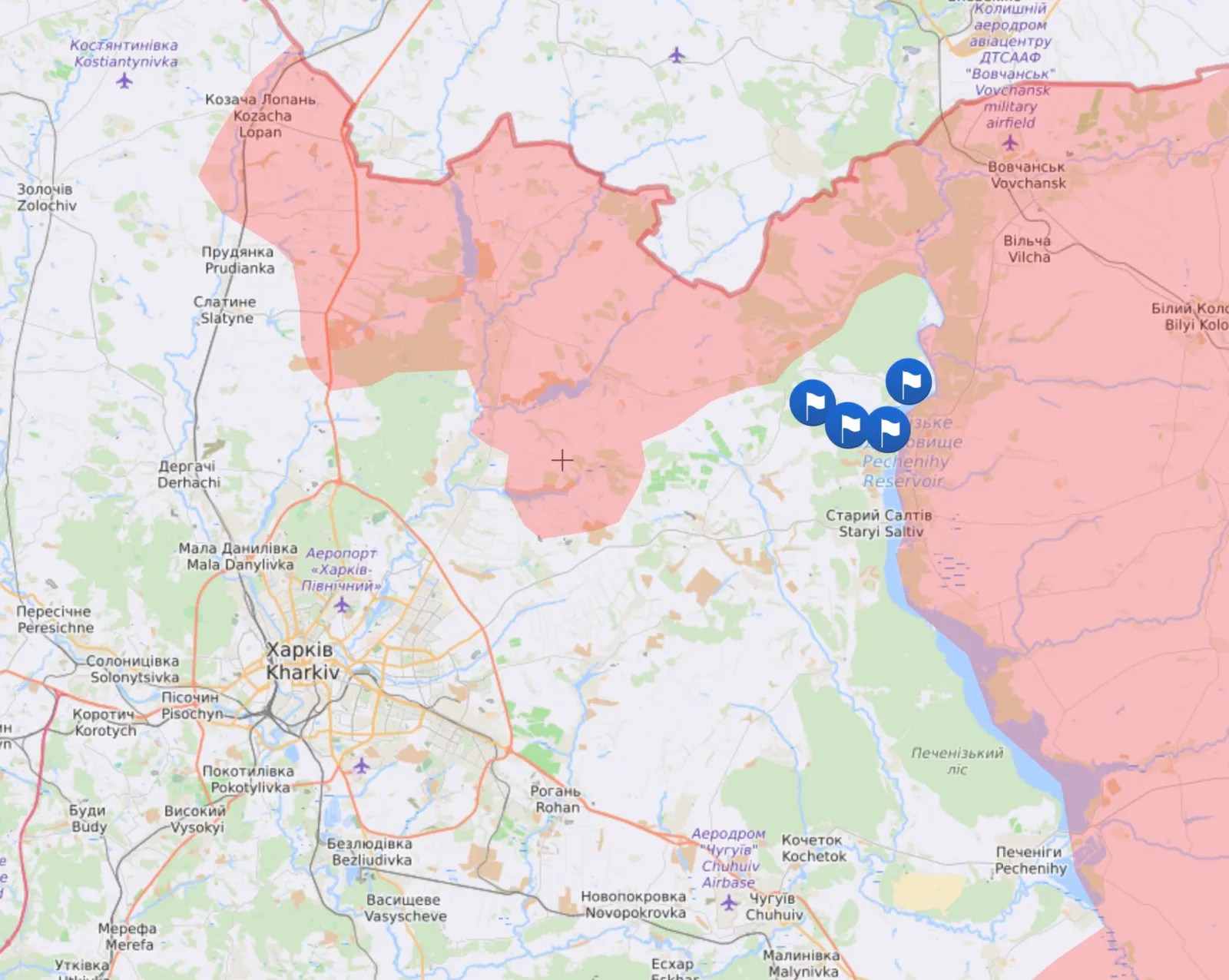
An important lesson from my negotiation class in business school was the concept of ‘the river’. When two parties battling in a war are negotiating a ceasefire line it is often not the relative power of the armies that dictates where the line is drawn, it is a geographical feature that is the natural separation line between the two forces. You can argue as much as you want, you know where the compromise is going to land in the end. Useful to remember when negotiating a business deal as well.

P.S. I was reminded of this by one of the endless tweets about the conflict in Ukraine today.

·Story

Political messaging done right

This Zelensky speech will be studied alongside “I have a dream” type of presentations in the future.

  • It establishes common ground with the audience (comparing Ukraine today to the histories of many other countries)
  • Draws you in to act (hey, your ancestors did this for you, now it is your turn)
  • Then paints a picture of what can be

Very well written, and very well directed with the setting and the black and white colouring.

·Story

Zelensky's roadshow

Ukrainian president Zelensky is ‘touring the world’ via video calls to parliaments to drum up support for his country in the conflict with Russia. Each speech is tailored specifically to a country. Here are some of the patterns:

  • Establish a connection, giving a compliment about the country: “I have been there”, “What a beautiful city”
  • Make you feel what it would be if all the agresion happens to you: “What would you do if the port city of Genua would be destroyed?”
  • Link the struggle of the Ukrainian people to a historic struggle of you (“You stood up after Pearl Harbour, we are in a similar situation now”)
  • Making you part of the event: “This is not about Ukraine, but a struggle of the entire world against evil”, i.e., you are not just an audience
  • Rubbing it in that he is doing something, and taking the hits (for you, see previous point), while you ‘sit back and relax’
  • Appealing to personal moral standards, this is not about business, country or world politics, this is about innocent people dying
  • Addressing individuals directly, i.e., the Prime Minister of the Netherlands was singled out by name in today’s address to the Dutch Parliament.
  • Asking for very specific things that a country can do
  • Rather than begging for help, he projects strength and determination and is inviting people to join the winning side

All of this is delivered in a short speech, with short sentences that are to the point.

·Story

Will they, or won't they?

Some presentations involve a big, black and white outcome: who hosts the next Olympics, will the trip go through, etc. etc.

In the world of entertainment, the tension is part of the show, think Oscars or talent shows. In most other cases, postponing and building up to the long awaited verdict does not serve a clear purpose. People might actually be distracted and not really listening to your arguments, as they are frantically trying to figure out where you are heading to.

Better to say the answer straight in the first sentence, and then explain why.

·Story

Add an optional message

Most online services have some sort of invite-a-friend functionality that triggers a pre-populated email. Read through that message one more time. It is probably loaded with marketing jargon (“added value”), and uses superlatives to show how excited the user is (“super excited to finally have everything in one place”).

But is that really the words the user would use?

As an exercise imagine what a good friend of you would write to another good friend of you in her own words to talk about your product.

  1. It might inspire you to write a better pre-populated email message
  2. It might give you some honest product feedback without actually asking these users
·Story

Let them climb down the ladder

I have been posting less on the blog over the past weeks. Given the current events in Ukraine, it would just not look right when the SlideMagic twitter account posts happy titles such as “A new and exciting way to crop your images” amid all the other stuff that is going on.

The current war is also a big communication war. And in times of conflict, it might be wise to count to 10 before saying things after seeing these horrible images coming out of the battlefield. Western leaders have been very aggressive in their language: ‘total economic war’ etc. etc. The problem is with all of this is that you need to keep a ladder for the other side to climb down, rather than throwing oil on the fire. The world already knows that you are (rightfully) upset.

The better strategy:

  • Use a more matter of fact tone in communicating sanctions: “we don’t like what you are doing, here is what we do to show that we mean it, we will reverse if you do”
  • Show unity and resolve
  • Go after economic targets that really hurt, rather than things that are high profile but don’t actually mean very much
  • Instead of leaking to the press how many arms you supplied or might supply, brief them on how to calculate the economic impact of the sanctions, now, in 1 week, and one month from now
  • Maintain a cold and rational calculation of the financial damage done and communicate it
  • Maintain a cold and rational evidence trail of wire crimes committed and communicate it
  • Keep on ratcheting up the sanctions, without the polemic rhetoric.
Continue reading →