SlideMagic Blog

Frequent updates about all things presentations since 2008. Subscribe to never miss a post.

RSS
all posts

Category Delivery

·Delivery

Slides in a foreign language?

Should slides and your talk be in the same language? Ideally, yes. Visuals and the audio track are in perfect sync.

But I think for most audiences in Western economies, “business English” slides that support a talk delivered in a local language work perfectly OK. “Business English” is what I call the English that is spoken by most non-native English speakers. A very narrow vocabulary of English that enables you to express most common business concepts.

For some audiences having your slides might give you that added international appeal (a startup raising money across Europe for example, or here in Israel, where high tech slides designed in Hebrew would look really weird).

Slides in English raise the challenge for the presenter though. If you were planning on reading bullet points of the slides, it sounds boring in English, it sounds really awkward when you are live translating from English into your native language. Either things go really slow, or the translation sounds really funny, or - most likely - both.

As always, there are exceptions. Some highly conservative financial institutions have complicated investment approval processes where decks get forwarded/discussed without you being there. If your deck is primary for reading, then consider translating the whole thing.

Be aware that languages can create technical challenges as well if people do not have the right fonts installed on their computers, and mobile devices create additional problems. Always send PDFs.

I have done many of these types of projects for presentations aimed at local Israeli institutional investors. I would start with an English design (but laid out right-centered, graphs flow from right to left), the client would translate (challenge 1: Hebrew, challenge 2: business/science-specific jargon in Hebrew), and would clean up afterwards with a 50% understanding of what’s inside the text boxes.


·Delivery

Most decks are for pre-reading

I browsed through my recent client work and saw that the objective of most decks I design is to get interest as an email attachment. This is a significant change from a couple of years ago.

Remember, 90% of my client work is in the field of investor presentations (startups, VC funds who need to raise money themselves, and big corporates reporting to the analyst community).

The big hurdle for many in fund raising is getting through that initial noise and reach the stage of a quick phone call, or even a 30 minute one on one meeting. If this goes well, most clients are less concerned about the big stand up presentation in front of an investment committee.  (Well, after they have gone through my design process they are covered for that stage as well of course).

These send-ahead deck pretty much replace the dense 1-pagers that people used to email. What makes a good introduction presentation that you cannot explain in person?

  • A professional look and feel. Comic sans, standard PowerPoint colors, and a list of bullet points with buzzwords on page one signals “oops, these guys are not ready yet”
  • Clear explanation what you are actually doing, in what field, market do you operate (most people are surprisingly vague about this
  • Some sense of stage of the company, traction (napkin, seed, series A, etc.)
  • Then a condensed pitch of why what you are doing is a big deal.

Leave out super sensitive intellectual property information, confidential financials, partner discussions and/or some of the more “boring” slides with factual information about the company and its strategy. This deck is all about getting people excited about your company, it will not land you the investment.

Continue reading →
·Delivery

Exhibition floor signs

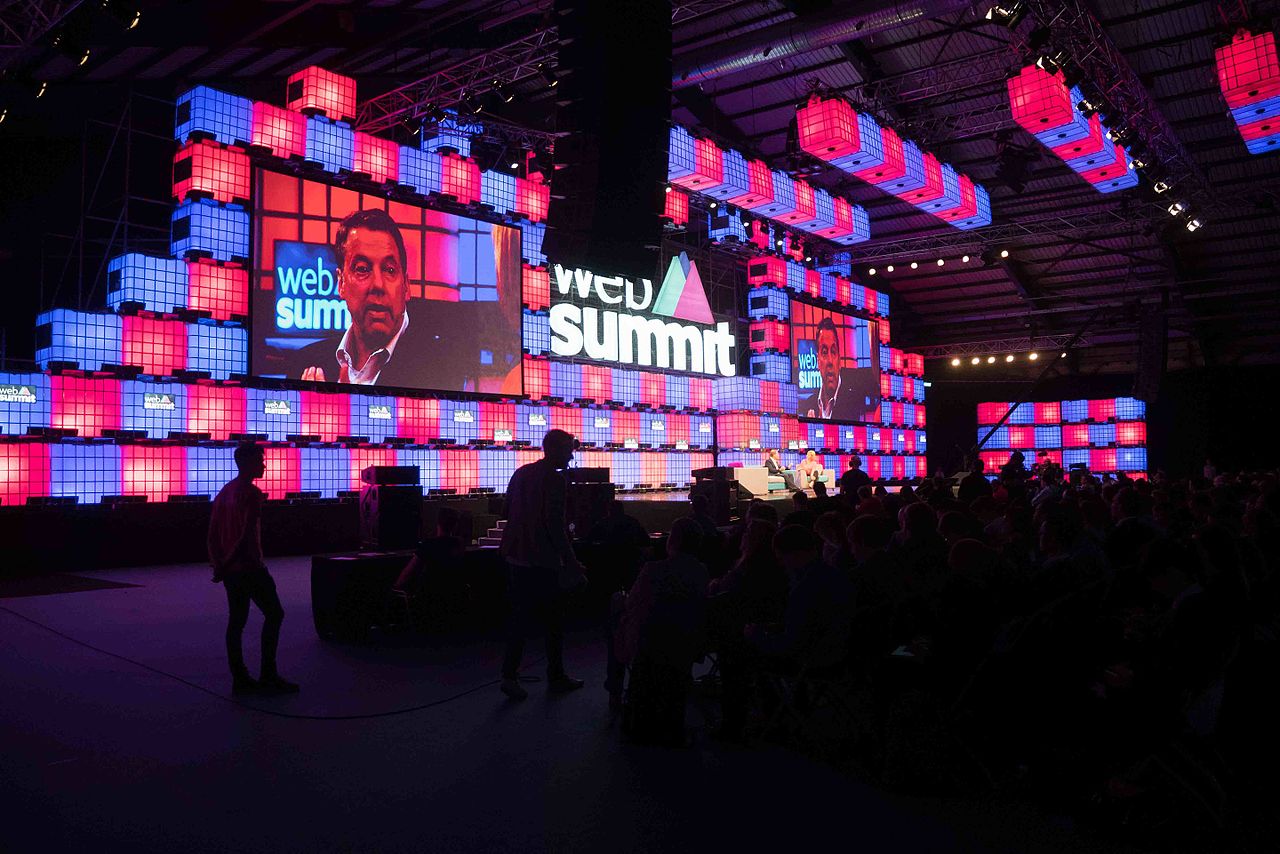
People roaming an exhibition floor spend 2 seconds looking at your small early-stage startup booth. Conference organizers usually create space for a huge logo and a tag line that is not very visible. It would be better to rebalance that.

People don’t yet know your brand or logo, so it won’t help to attract attention (“ooh, let’s check out the guys from [BRAND]”). Your objective is to turn the 2 seconds attention span into 10 seconds, which then hopefully is followed by a visit to the booth.

Below an example in a random Tweet I found. Not the fault of this startup, they just followed the format set by the conference.

Image via WikiPedia

·Creativity

Presentation culture

CEOs are banning PowerPoint presentations from meetings to improve company culture:

Bad presentations are bad for company culture. And boring the audience is just one aspect of this. People forget the other ones:

  • People waste incredible amounts of time editing footnotes in slides, time that could have been spent much better
  • Presentations are used to keep subordinates busy and under pressure by requesting zillions of updates to the slide deck by 9AM
  • Company management is now mainly suggested slide edits ("cut it to 5 slides’) in emails that go up and down the corporate hierarchy

Presentation documents have become the language that corporate management uses to agree on ideas, and it is a pretty inefficient one. It is time for a change. I don’t think completely banning visuals in meetings will solve the issue. A better alternative is to ask employees to use a super simple presentation tool to back up their pitch to colleagues and I am working on that.

·Delivery

TED parody

This video of a TED talk parody was uploaded a couple of months ago and I missed somehow. Yes, it is a parody, but in the between the lines (the content is non-existent) it actually shows how body language, pausing and pacing can give you a better stage presence.

·Delivery

Panels = entertainment

Another good video by VC Mark Suster about how to speak when invited on a panel:

  • Entertain
  • Be energetic
  • Be short and to the point (people don’t remember who long you spoke, but what you said)
  • Say something different than the person before you
  • If the moderator asks the wrong question, answer a different one

I would also add that pitch competitions are a form of entertainment. A pitch for such an event is completely different from a pitch to the partner group of a VC.

And most of the time, pitch competitions are far more entertaining than panels. In a pitch competition, the presenter is on the line, sharp. People in panels usually do not prepare and can hide behind the others on stage, making them a lot less interesting to watch.

·Story

Sounding convincing, versus actually convincing

Some people naturally sound convincing. They have charisma, they find it easy to tell their story, they are confident, they can wing the presentation, they say that they consider themselves good presenters. They sound convincing, but do they convince?

Many of the people who fall in this category are not very good at reading body language. Maybe the buyer or investor on the other side of the table is (slightly) introvert and does not push back that much. Maybe if the same type of question comes back for the third time (after 2x the same sort of answer), the answer was not very clear. Maybe there is a difference between a great meeting with great energy, and a decision to buy/invest.

As a presentation designer, I have built up another type of self confidence: not being ashamed to ask again if something is not clear, even if it is the fifth time. If I don’t get it, the presentation I am going to design will also not get there. Investors and buyers won’t be as patient as presentation designers

Image from WikiPedia

·Story

A personal speech

We recently celebrated my daughter’s Bat Mitzvah and here is the process I went through to produce my short speech:

  • I did not make too big a deal out of the speech, it is not the State of the Union, I wanted to express my feelings to my daughter, and focus the attention of the entire crowd for a few minutes on her.
  • I created a digital notebook accessible from all my devices weeks in advance. Here I jotted down ideas: stories, memories, jokes, anecdotes, as they came along. It is hard to come up with ideas 24 hours before
  • About a week before the event, I wrote down a whole version, and put it away
  • A few days later during a bike ride a crafted an entire new story in my head, shorter, simpler, and less dry. Immediately after dismounting from the bike I wrote that one down.
  • I rehearsed a couple of time and created a short bullet point lay out of my talk that I could print in small font and hold in my hand. Important points are the key element of a paragraph (you can summarize those in 4 words if you have to), and lists (“what was that 3rd character trait again?”)
  • During the speech i made sure that I was really “into the story” feeling the meaning of the words while saying them (i.e, not pressing play from memory and just recite text without processing what it means).
  • Instead of uttering “uhm”, I tried to keep the composure and pause to form the next key idea in my mind before speaking it out.
  • And yes, I did not use slides!
·Delivery

Facial expressions in the presidential debate

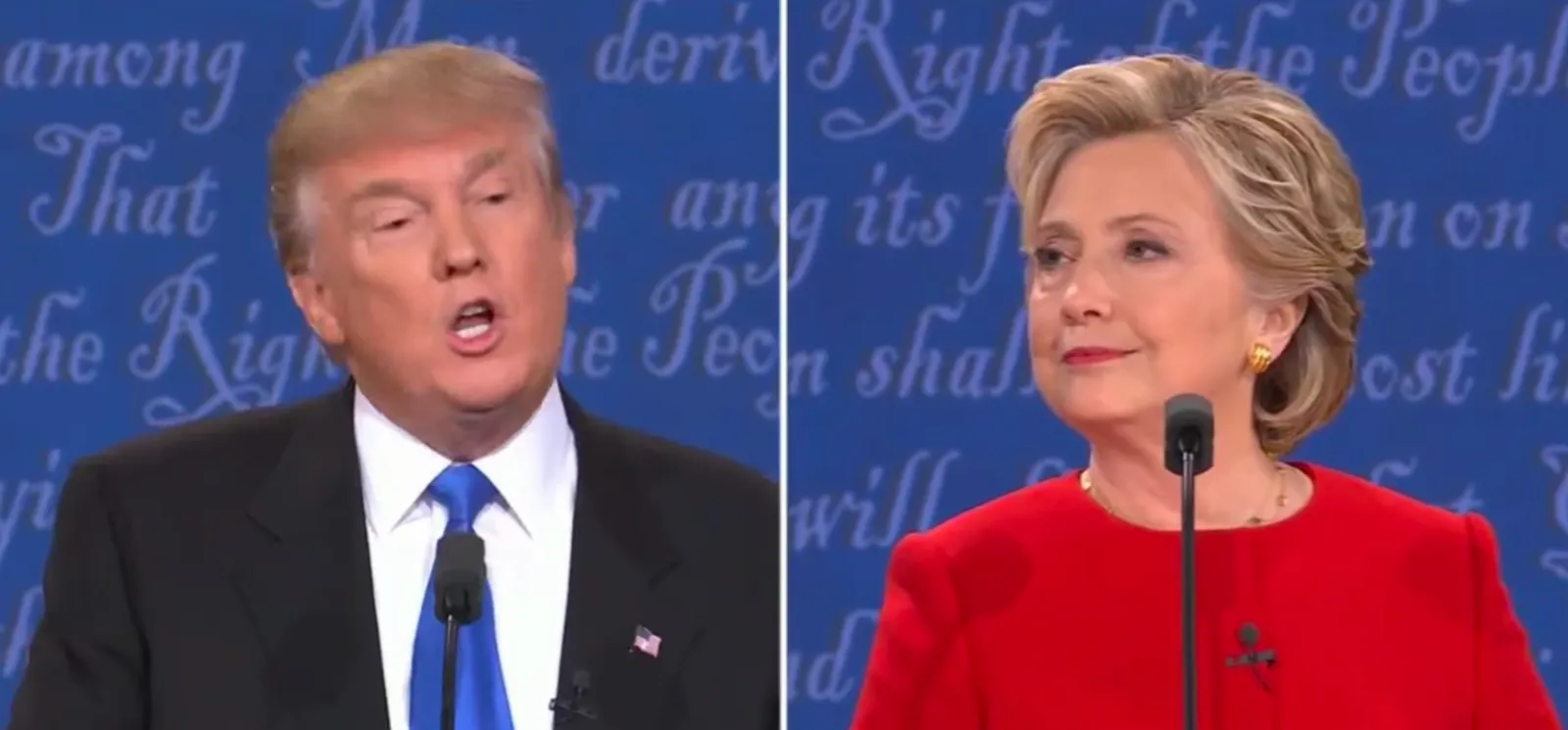
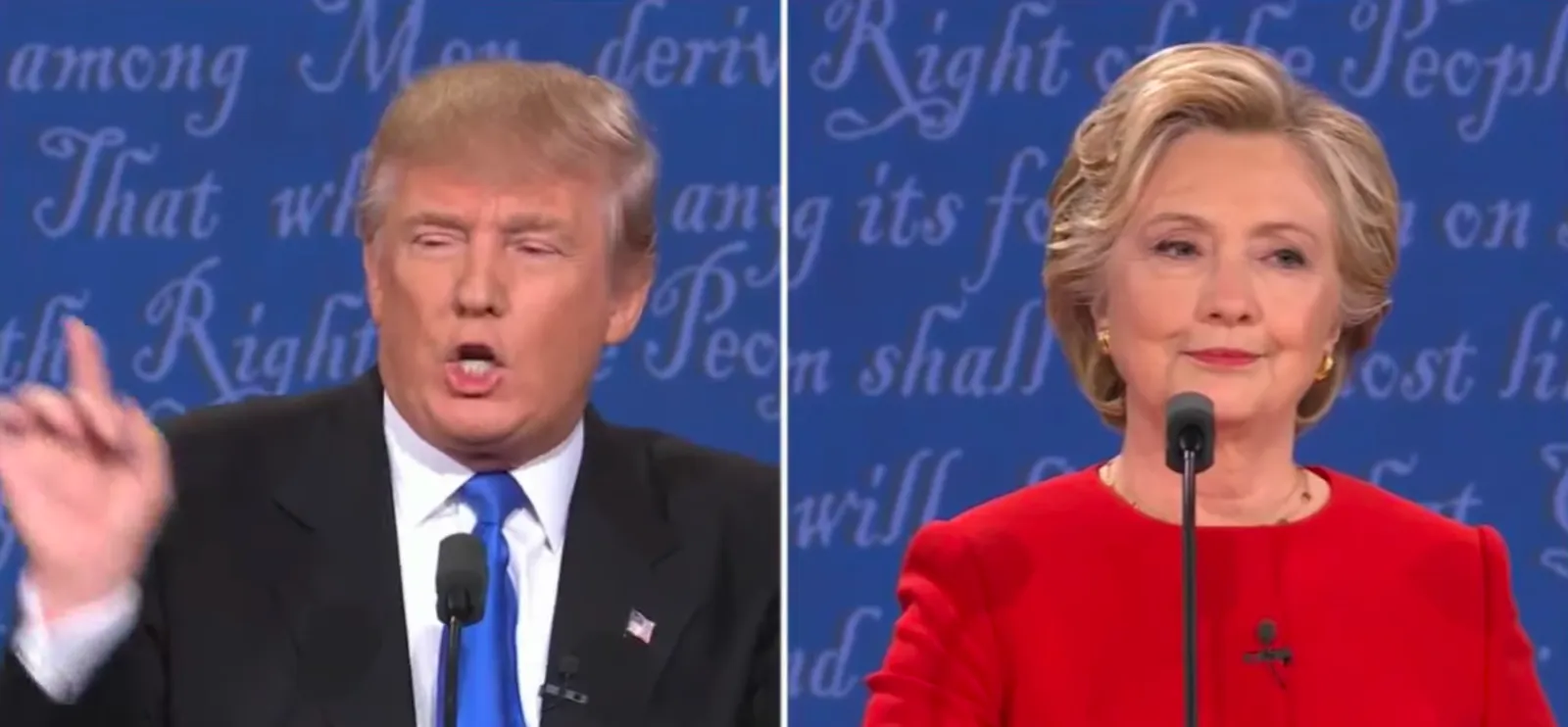
It is interesting to to see the side-by-side video shots of the presidential debate of last night.

Here is what you can learn from Hillary when confronted with an unpredictable debater:

  • Keep your posture
  • Maintain that “look” in your eyes at all time showing that you just stand above it all
  • Prepare: Donald is looking up pondering how to respond, Hillary is reading a prepared note with a response to an attack that she expected to come
  • Maintain the dominant audio track even when interrupted mid-sentence multiple time
  • Practice a whole stretch, be prepared to keep everything up for 90 minutes

The second debate will probably be more interesting as both candidates will have had the opportunity to analyze the first debate. You can watch the full version of the debate in this video.

·Delivery

The annual school performance

It is that time of the year. Here are some things kids do, and you will recognise them in grown-up presentations as well:

  • “Press play”, rattle down the lines to show that you can memorise things. You speak slower, softer when your memory needs to work harder. Eyes up to locate that next phrase.
  • Blank stare. You can’t see the audience because of the stage lights, so you are not really looking at them.
  • No connection to the substance. You simply say the words without feeling their meaning.
  • “Bye”. The moment you spoke the last word, you turn around and walk off stage

Art: The Country School, Winslow Homer, 1871