SlideMagic Blog

Frequent updates about all things presentations since 2008. Subscribe to never miss a post.

RSS
all posts

Category Culture

·Design

It's just a draft

When quickly putting a draft presentation together, it is tempting to not spend any effort at all on design and layout. “We can always fix that later”.

I would argue the opposite. Make the draft look as good as the final product will be. It sets the entire mood for the project. Looking at messy / ugly charts is not a big motivation to do great work. Messy / ugly charts encourage people to add bullet point and too much text, because you can always remove it later.

The good news is that a simple chart with simple content does not take a lot of effort to design properly. Fix proportions, alignment and colors and everything looks great in a few clicks.

(Pro-tip: use SlideMagic for your draft documents)

·Culture

Design culture

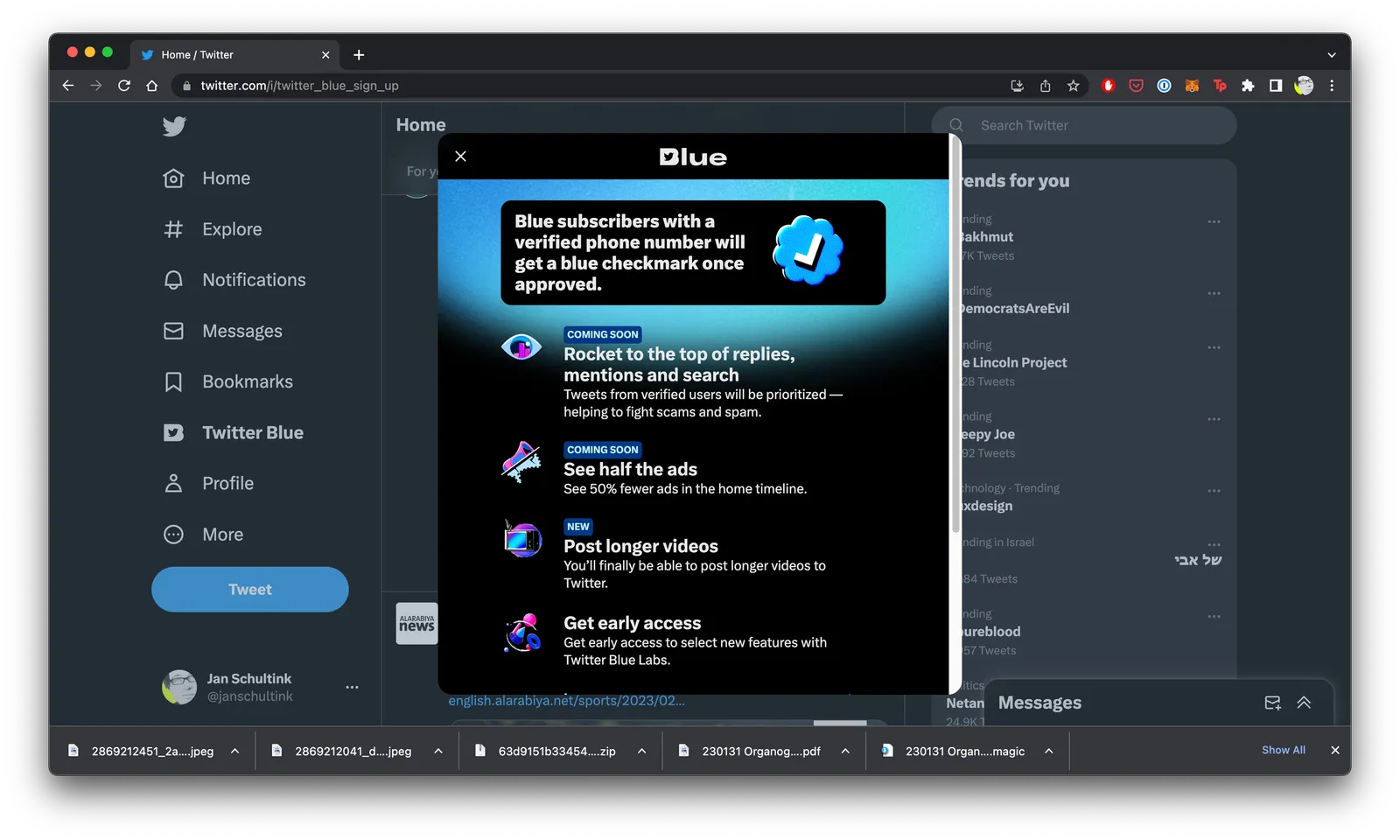
It is tricky to get a big company all aligned behind one consistent approach to design. Twitter is going through a lot changes: changes in strategy, changes in people, etc. You can see it in inconsistencies in the web site. Colors, language, layout, icons, other design elements, etc…

·Culture

The cultural differences...

Communication cultures differ widely across countries. I experienced it myself in multiple situations:

  • Working as a Dutch national in McKinsey’s London office, people found me somewhat ‘blunt’
  • Living as a foreigner in Israel, I would sometimes be surprised that the first thing some says to you is “how old are you?”
  • Participating in a large Zoom call with many American participants who pretext a point of criticism or disagreement with a 1-2 minute apology before getting to the point

It is important to be aware of these differences:

  • As someone who is presenting
  • But also as someone who is in the audience and needs to put the presenter in perspective

Some of these differences might actually not be down to culture or character. Not all languages have words for specific nuances, so things literally get lost in translation: Language 1 has 5 options on a scale, language 2 only 2. If you are the native speaker in the 2-option language it is hard to pick (or even know) which of the 5 options to pick.

Read body language and ask for clarification when in doubt, or use some self deprecation to preempt possible issues.

·Culture

Your true colors

My wife and I are pitching the services of (a still very) small startup (with a big idea) to some pretty big corporations. Big corporations are busy and overloaded with requests of small companies to talk to them. It is fine to play hard to get, but if you accept a meeting/call, don’t cancel at the exact minute the meeting is about to start unless there is some medical emergency.

The world is small and memory is surprisingly good. Personally, I had a few cases of poor interactions with people as a presentation designer (not paying agreed invoices for example) with people that re-appeared 5-10 years later with a request for another presentation (‘‘Hey, I am doing my own startup now and got a meeting with these investors next week, can you help?”), or were the subject of a reference call (‘Do you think I can trust this person with my investment?’)

Basic human interaction hygiene.

·Culture

How to hire a design agency

Hiring a creative agency is a bit different from negotiating with a building contractor or a car dealer. And talking to a small 1 - 2 person firm as a different story than dealing with a large design firm. Let’s talk about hiring a small firm (I used to be one these myself).

A good designer is busy and can basically decide which projects to take on and which not. Good designers will be expensive, but there are limits to budgets that people have for creative work, so besides “can you afford me” there is a range of other factors which makes a good designer pick you.

What is a good designer after: delivering beautiful work for clients that inspire and are fun to work with.

  • Crazy deadlines, “you know how this works, we really need something yesterday”. If you are not an existing client, is unlikely to fly. Working under extreme time pressure is not only unpleasant, it also hurts the quality of the work you can deliver. If the designer is will to accept this, it might be bad sign for the buyer
  • Disrespect: showing up late for calls, not replying to emails, taking other calls are all indications for how it is to work with you and whether you are going to pay the bill (in time) when all the work is finished
  • Taste mismatch, if the sort of examples you discuss totally do not match the style of the designer, the project is a no go.
  • Getting pushed outside of your speciality, “you would have no problem finding someone who can turn this into video right?” Any good designer would refuse this since the end result is almost guaranteed to be suboptimal.
  • Creative freedom, if your hands are tied, and you need to follow someone else’s ideas literally, you will get bad end products.
  • “We are big, and can give you lots of work, so please discount”. Big design agencies need to fill their fixed cost base of designers with a predictable work stream, the freelance designer who is running out of hands to work with has no such issue.
  • “Can you give us some ideas, examples [free of charge]?”. If the designer agrees, she is not busy.
  • Very complicated processes: lots of different people involved, lots of decision makers. Big design firms can deal with high maintenance clients via project managers and account managers and more managers. One person creative shops cannot.
Continue reading →
·Culture

Not understanding is not your problem

When your project manager tosses a bunch of vague suggestions your way, “ok this deck is easy, we start with the vision, then show the strategic buckets and mirror these against our core competencies”, and you don’t get it, it is not your problem.

Asking for explanations of everything might annoy her. Instead, ask for a quick example. “Which bucket for example?”, and “and can you mirror it against 1 core competence for me”?

This is like a small “Rosetta Stone” for you, you have decoded this particular case example, now you can take on the rest (and in the process write a presentation with fewer buzz words).

Image by Richard Porson - “Rosetta stone, brought to England in 1802” in Archaeologia vol. 16 (1812), Public Domain, https://commons.wikimedia.org/w/index.php?curid=10617134

·Culture

PowerPoint cap in a coalition agreement

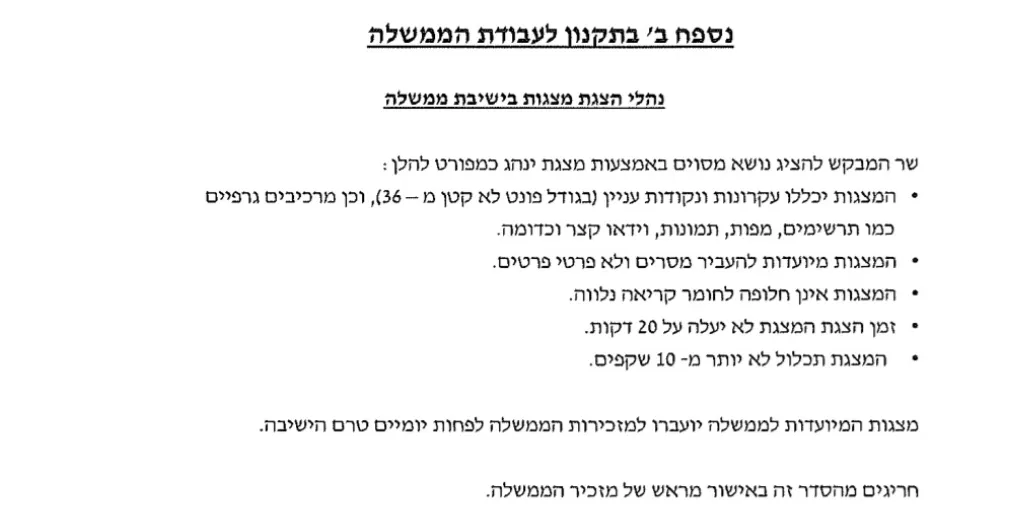
On page 41 of the coalition agreement of the new Israeli government, some restrictions are put on PowerPoint presentations:

  • 10 pages maximum
  • 36 point font minimum
  • 20 minutes maximum
  • Presentations are not a substitute for reading material

I think the last point is crucial: the presentation of your proposal and your working document with all the facts and backgrounds are two documents. Most people now write their working papers in PowerPoint and then are lazy by putting those slides on the screen. If you made something in presentation software PowerPoint, it does not automatically mean that the end product is a presentation.

I offered the government a special version of SlideMagic with minimum font size 36 and 10-slide page limit.

Source on Twitter.

·Culture

Pitching to VCs outside of your home country

Mostly thanks to COVID-19, the venture capital industry is going global. Which means that VCs are increasingly willing to invest across borders. Some implications for investor pitches.

VCs get the confidence to invest further away partly because of increased specialisation. They know exactly what sort of deals to look for, have a very deep understanding of technology in that particular field, and as a result can size up opportunities easily, even at long distance.

[P.S. Something similar happened in my bespoke presentation design business, where I specialised in a very specific type of presentation which is highly similar across borders, and usually have very similar type of clients. This was both important in terms of deciding whether you can do the project, winning a pitch for a project, and making the call whether this unknown client in a different country would eventually pay my fees].

Even more than before, as a startup, you need to do your homework and select potential investors carefully. The upside of this extra work is that if your company fits a specific investor profile, you are very likely to make it through the first investor screen, people will actually look at your deck. “Hmmm, these guys are not from Palo Alto” is no longer relevant. The cost of a brief Zoom call to check you out in person is much lower than a “coffee chat”, so you might score that one as well if the field is relevant.

For a highly knowledgeable investor with an office 5 time zones away, that first deck might have to be more specific than a nice mysterious teaser inviting her to schedule a phone call. You can cut slides with general industry background, but probably need to add data that investors in a specific technology segment are expecting to see (experience from looking at hundreds of other companies in your specific sector).

Continue reading →
·Delivery

Everyone or no one

If everyone is on a Zoom connection, the meeting works, we have gotten used how to deal with the new setup. If a few people are present in person, and a some others are “Zooming in”, the meetings dynamics are broken.

When planning meetings for next year, think about the time, money, and the environment wasted in travel, and prioritize which meetings really have to be in person, and which ones can be done remote. If you go for in-person, everyone has to show up though. Another reason to think twice about that option

Photo by Marvin Meyer on Unsplash

·Culture

Communication culture

Most presentations are not IPO roadshows or TED Talks, so it does not make sense to invest a lot of time and money in them (i.e., hiring expensive designers). But that does not mean that they need to look horrible and boring.

If almost all the documents a company’s employees work with are hacked together, poorly structured, boring lists of bullet points, you start eroding the place’s culture. The energy of a meeting is zapped by a quick glance of the PowerPoint slide sorter (“oh no, 90 minutes of this coming up”). Young trainees learn that this is the standard they should aspire to. At the same level of office supplies running out, poor cleaning, crappy laptops, cheap coffee. Everything points to the work environment where it is OK to cut corners, and only give things your best when you leave the place in the evening. Eventually, it will impact presentations and documents for an external audience as well.

The idea behind SlideMagic is that these every-day presentations can still look organised, fresh, and inviting without a big investment.

Photo by Adrian Curiel on Unsplash